
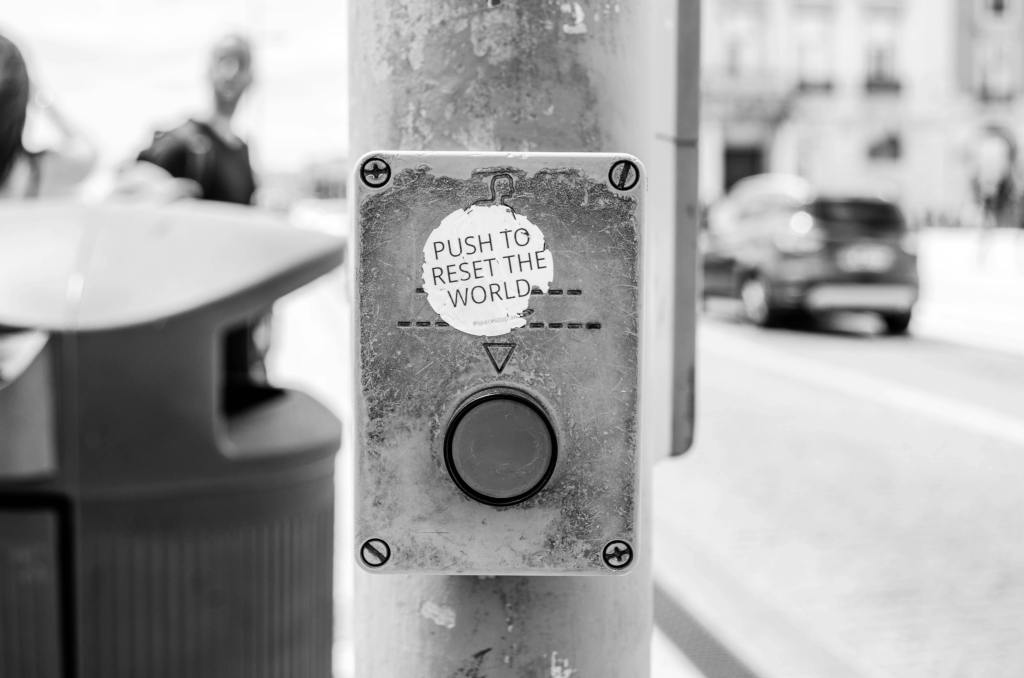
The Accidental Reset I Didn’t Ask For (But Clearly Needed)
Let’s get honest for a second. When was the last time you stepped away from everything? Not a “let me just check email while I walk the dog” kind of step away. I’m talking no screens, no Slack, no “just one more revision,” and absolutely no thinking about whether Helvetica Neue really is the hill you’re going to die on. For me, that pause came uninvited. I didn’t pencil it into my calendar, nor did I structure it around peak focus hours. Life barged in, flipped my desk over, and said, “Sit down, you’re resetting.”
Last month, I lost my dad. I was with him as he took his final breath, and it was… a lot. Too much to explain in a few words, and honestly, not something I want to turn into a therapy blog. But it happened. It was real, raw, and completely stripped away all the noise. What followed was the kind of full stop that most of us avoid like an expired plugin update. No design work. No productivity hacks. Just time. And in that uncomfortable quiet, I realized something: I’d been sprinting so fast I forgot to check where I was going. It wasn’t just grief. It was a giant, blinking, UX-sized reminder that even creatives need to pause.
And look, I’m not about to turn this into a “life is precious” monologue. You’ve got enough of those on Instagram. But what this moment gave me (besides a renewed appreciation for black coffee and crying in parked cars) was perspective. It shook up the snow globe of my brain and helped me see just how foggy things had gotten. It made me think not only about life but about work, burnout, and how easy it is to design ourselves into a corner when we never give ourselves room to breathe.
What “Reset” Really Means (Spoiler: It’s Not Laziness in a Hoodie)
Let’s unpack this word, because “reset” in the design world gets tossed around like it’s a productivity vitamin. Resetting doesn’t mean bailing on your deadlines or ghosting your team. It’s not about quitting the project and running off to make artisanal candles in the woods. It’s about letting your brain step out of the mental traffic jam and into the parking lot for a minute. It’s space. Stillness. The mental equivalent of unplugging your router, waiting ten seconds, and turning it back on.
Designers need resets more than we care to admit. We’re absorbing so much all the time: data, feedback, aesthetics, opinions, Slack threads with way too many gifs. We become human routers for decision-making, and that bandwidth gets chewed up fast. If you’ve ever stared at a user flow so long it starts looking like the map from Inception, you know exactly what I’m talking about. Or that moment when you start questioning whether the button you placed with complete confidence last week is suddenly the worst design choice anyone has ever made? That’s not imposter syndrome. That’s your brain begging for a nap.
And it’s not always a crash that signals burnout. Sometimes it’s sneakier. It’s the apathy that creeps in when you used to feel energized. It’s the never-ending cycle of tweaking the same design element for the fourth time in a row, fully knowing you’re just spinning wheels. It’s the moment you realize you’ve got 17 different versions of the same CTA and you can’t remember which one you liked. That’s not indecision. That’s fatigue disguised as focus. That’s when you need to step back… not forever, just long enough to get your perspective back.
When Life Hits Pause (And You’re Just Along for the Ride)
Sometimes, you don’t choose the pause. The pause chooses you. That might sound dramatic, but life has a way of slamming on the brakes without checking your sprint board. Whether it’s grief, chaos, surprise joy, or just the deep need to sit in silence with your thoughts and three-day-old coffee, these moments force us to hit reset. And while they’re rarely convenient, they’re often exactly what we need.
The value in accepting that pause, instead of fighting it, is huge. It’s easy to feel guilty for stepping back. Like you’re falling behind or letting people down. But if I’ve learned anything from being benched by life, it’s that the pause doesn’t make you weak. It makes you real. You come back with a different lens. And for UX designers, that lens is everything. It lets you empathize more deeply, observe more patiently, and make better decisions that are rooted in actual human behavior, not just the latest design trend.
In my case, grief made everything blurry at first. But then, strangely, it sharpened. It reminded me that we’re not designing for perfect users in perfect states of mind. We’re designing for people… REAL people, who are navigating life in all its complicated mess. The more we let our own experiences shape our empathy, the better we become at building experiences that feel honest and supportive. A form doesn’t live in a vacuum. Neither does a website. Every tap and scroll exists within the context of someone’s life, and sometimes that life is a dumpster fire. Stepping back can help us remember that.
Why Resetting Makes You a Better Designer (Not Just a Better Human)
Let’s get a little tactical, because I know some of you are still thinking, “Okay but I can’t just run off to Bali every time I need perspective.” Fair. But here’s the thing, resetting doesn’t require plane tickets. Some of the best breakthroughs happen not when you’re grinding, but when you give yourself a bit of air.
Ever had that experience where you step away from a screen and suddenly the solution just appears out of nowhere while you’re shampooing your hair? That’s your brain finally having the space to breathe. Resetting gives you a new angle. You stop making decisions just to be done and start making decisions because they’re right. You start noticing the details again. That awkward spacing you glossed over? It jumps out. That confusing label you thought worked? Now it clearly doesn’t. You begin to feel your way through the design instead of just forcing it.
It also helps with user clarity. When you’re deep in a project, it’s easy to fall into the “look how smart I am” trap. You create intricate interactions and clever patterns and then wonder why users are confused. Stepping away reminds you it’s not about you. It’s about them. It’s always been about them. And the clearer your own head is, the more focused you become on solving their problems, not just flexing your design muscle.
Resetting also benefits your team. When one person steps back and comes back grounded, it shifts the energy for everyone. Meetings are less frantic. Feedback is less reactive. Suddenly, people aren’t just running sprints. They’re moving with purpose. And no one’s crying over a primary nav decision. That’s progress.
Tiny Resets: Because Not Every Life Lesson Needs to Come With a Meltdown
Okay, so maybe you’re not in a life-altering chapter. Maybe your world hasn’t crumbled. That’s good. But you can still build mini-pauses into your week that help you stay clear and creative. Micro-resets, if you will. These are the gentle pauses that stop burnout before it starts. They’re small. They’re doable. They work.
Start with walks. Not power walks. I mean aimless, leave-your-phone-at-home walks. Let your mind wander. Or try sketching by hand before jumping into digital tools. It slows you down just enough to reconnect with your ideas. Read a UX case study from an industry you don’t work in. The goal is to shift your mental furniture around a little. New inputs, new insights.
Try ending your day with a reflection. One sticky note. One sentence. “Today I learned that pop-ups make me irrationally angry.” Or “Maybe I don’t need to solve everything before lunch.” Leave something unfinished on purpose. Not because you’re lazy, but because starting tomorrow is easier when you’re not staring at a blank screen. That breadcrumb trail? That’s future you saying thank you.
And most importantly, stop worshipping “busy.” Redefine productivity to include space. A clear head is just as valuable as a checked box. Make room in your day for the unexpected. For grief. For joy. For a nap. For whatever chaos or calm life decides to throw at you. That space isn’t wasted. It’s where real creativity lives.
The Caffeine Kick:
Did you know that letting your coffee sit for three to five minutes after brewing actually brings out its best flavor? I’m not just making this up because I forgot mine on the counter again. There’s science behind this. According to experts, coffee needs a short resting period after brewing for the gases to settle and the flavors to balance out. This brief window of patience allows volatile compounds to stabilize, giving you a smoother, more aromatic cup that doesn’t punch you in the teeth with bitterness or taste like hot bean water pretending to be espresso. Serious Eats backs me up on this.
Now, apply that same principle to your brain. If coffee needs a minute to bloom into its best self, why don’t we? Constant stimulation, jumping from wireframes to meetings to six rounds of feedback tricks us into thinking we’re being productive. But in reality, we’re just brewing bitter ideas that haven’t had time to develop. In fact, research shows that taking short breaks during mentally demanding tasks can boost focus by nearly 13%, according to a study from the University of Illinois. That’s not a small boost. That’s “reconsider that sixth revision” level clarity.
Even more compelling: a study published in Cognition found that people who took breaks during creative tasks generated more innovative and higher-quality ideas than those who worked straight through. The researchers called this the “incubation effect” and no, it doesn’t involve chickens, but it does involve giving your brain time to percolate. Here’s the science if you like that sort of thing.
So, the next time you’re deep in a project and everything starts looking the same: every layout feels tired, every CTA sounds like a used car ad, and your cursor is hovering over “delete entire file”… that’s your cue. Not to panic. But to pause. Just like your cup of coffee, your ideas need that moment of stillness to settle into something truly good.
Let it sit. Let it breathe. Step away. Stretch. Walk. Stare out the window dramatically like you’re in a movie about creative geniuses. Do whatever gives your mental espresso machine a second to reset. Then, come back and take a sip of your work with fresh eyes. Chances are, it’ll taste a whole lot better.
Final Sip: You’re Not Falling Behind
If you’re reading this with that low-key pit in your stomach, the one that whispers “you should be working,” even on your day off… let’s take a collective deep breath. You’re not falling behind. You’re not broken. You’re not failing because your Figma file has been open for three hours and all you’ve done is nudge one button. You’re just tired. Overloaded. Over-scrolling. Maybe even running on a mix of ambition, caffeine, and denial. And honestly? Same.
But here’s the beautiful truth: a pause is not the end of your momentum. It’s the secret sauce to getting it back. That fog you’re in? It lifts. That sense of creative flatness? It isn’t permanent. Sometimes the smartest, boldest, most wildly productive thing you can do is nothing at all. Sit down. Go for a walk. Take a nap so powerful it recalibrates your timeline. Close the laptop and stare at the ceiling until a half-formed idea starts dancing in the light fixture. Give yourself the space you keep giving everyone else.
We glorify hustle, but hustle without clarity is just motion without meaning. And you, my friend, are too good for meaningless motion. You’re a designer. A thinker. A weird little creative goblin who finds flow in the most unexpected places… sometimes at your desk, sure, but just as often while brushing your teeth or arguing with your shower caddy. You deserve time to refill the tank, not just slam the gas pedal and hope for the best.
Resetting doesn’t mean you’re giving up. It means you’re coming back stronger, clearer, sharper. You’ll see the work with new eyes. You’ll notice what you missed. You’ll realize that one decision you spiraled about for a full afternoon? Not that deep. You’ll make things that feel better, work better, and mean more… because you’ll feel better, work better, and mean more. That’s not fluffy talk. That’s sustainable creativity.
So, when’s the last time you truly stepped back from a project? Not out of frustration, but with intention. What did you learn when you gave your brain a break? What surprised you? What did you unearth when you stopped digging?
Let it brew. Let it breathe. Let yourself be a person first and a designer second. You’ll be shocked how much better you are at the second thing when you honor the first.
And hey, your work will still be there when you get back. But you? You’ll be new. You’ll be present. And you’ll be designing like someone who actually enjoys it again.
Take the pause. You’ve earned it.
You’ve got this.



 freshbrewedux.com
Leave a comment